



Introduction
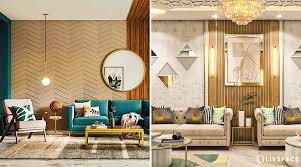
Walls are one of the largest design elements in any home, yet they are often overlooked during the decorating process. Empty walls can make a room feel unfinished, while thoughtfully chosen wall decor adds depth, character, and visual interest. Whether you’re decorating a living room, bedroom, hallway, dining area, or home office, the right wall decorations can completely transform the atmosphere without requiring expensive renovations.
Modern wall decor goes beyond traditional paintings and framed photographs. Today, homeowners use floating shelves, decorative mirrors, wall sculptures, metal art, woven hangings, botanical displays, and personalized gallery walls to create unique interiors. By selecting pieces that complement your furniture, color palette, and lifestyle, you can design a home that feels both stylish and welcoming. This guide explores everything you need to know about wall decor, from choosing the right decorations to arranging them beautifully and maintaining a balanced design.
What Is Wall Decor?
Wall decor refers to decorative items displayed on walls to improve the appearance and personality of an interior space. These decorative elements create visual balance, fill empty wall areas, and enhance the overall design of a room.
Common wall decor options include framed artwork, canvas prints, mirrors, floating shelves, clocks, wall sculptures, metal decorations, tapestries, decorative panels, wooden signs, family photo galleries, and indoor wall planters.
Why Is Wall Decor Important?
Wall decor plays a significant role in completing an interior design by creating focal points and adding texture, color, and personality. It helps connect different design elements throughout a room, making the space feel more cohesive and inviting.
Decorative wall pieces also allow homeowners to express their creativity and personal style. Whether displaying travel memories, artwork, or handcrafted decorations, wall decor transforms plain surfaces into meaningful design features.
Step-by-Step Guide to Decorating Your Walls
Step 1: Define Your Decorating Style
Choose a style such as modern, minimalist, industrial, farmhouse, Scandinavian, bohemian, or traditional before selecting wall decorations.
Step 2: Measure Your Wall Space
Determine the available wall area to ensure artwork and decorative pieces are proportional to the room.
Step 3: Choose a Focal Point
Select one large statement piece or create a gallery wall that naturally attracts attention.
Step 4: Mix Different Decorative Elements
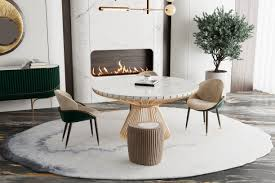
Combine framed prints, mirrors, floating shelves, artwork, and decorative objects to create depth and variety.
Step 5: Coordinate Colors
Choose wall decor that complements your furniture, flooring, curtains, and accessories while introducing subtle accent colors.
Step 6: Pay Attention to Placement
Hang decorations at eye level and maintain equal spacing between multiple pieces for a balanced appearance.
Step 7: Refresh Your Decor Periodically
Update artwork, seasonal decorations, or decorative accessories occasionally to keep your home feeling fresh and modern.
Benefits of Wall Decor
- Adds personality to your home.
- Creates attractive focal points.
- Improves interior aesthetics.
- Fills empty wall space.
- Enhances room balance.
- Reflects personal style.
- Increases visual interest.
- Complements furniture and decor.
- Makes rooms feel complete.
- Refreshes interiors without renovations.
Disadvantages and Challenges
- Premium wall art can be expensive.
- Installation requires planning.
- Incorrect sizing affects room balance.
- Large decorations need strong wall support.
- Some materials require regular cleaning.
- Trends may change over time.
- Frequent updates increase decorating costs.
- Improper placement can damage walls.
Common Mistakes to Avoid
A common decorating mistake is hanging artwork too high. Wall decor should generally be positioned at eye level to create a balanced and natural appearance. Proper placement allows artwork to connect visually with nearby furniture.
Another mistake is overcrowding walls with too many decorative pieces. Instead of filling every available space, leave some empty areas to create visual balance and allow each decorative item to stand out.
Frequently Asked Questions
1. What is wall decor?
Wall decor includes decorative items such as artwork, mirrors, shelves, clocks, sculptures, and framed photographs displayed to enhance interior spaces.
2. Which wall decor is best for modern homes?
Minimalist artwork, oversized mirrors, floating shelves, abstract canvas prints, and metal wall art are popular choices for modern interiors.
3. How do I decorate a large empty wall?
Use oversized artwork, gallery walls, decorative panels, floating shelves, or a combination of mirrors and framed prints to create an eye-catching feature.
4. Can mirrors be used as wall decor?
Yes. Decorative mirrors enhance natural light, make rooms appear larger, and serve as beautiful wall decorations.
5. How high should wall decor be hung?
Most wall decorations should be centered at eye level, typically around 57 to 60 inches from the floor.
6. How often should wall decor be updated?
Major wall decorations can remain for years, while smaller artwork, seasonal displays, and decorative accents can be refreshed whenever you want a new look.
Expert Tips & Bonus Points
Layer your wall decor by combining artwork with floating shelves, decorative lighting, or greenery to create a dynamic display. Instead of following every trend, invest in timeless pieces that reflect your personality and complement your home’s overall style.
Before hanging multiple decorations, arrange them on the floor to experiment with spacing and layouts. This simple step helps you achieve a balanced design while avoiding unnecessary holes in the wall.
Conclusion
Wall decor is one of the most powerful ways to personalize your home while enhancing its beauty and character. From elegant artwork and decorative mirrors to floating shelves and gallery walls, thoughtfully selected wall decorations transform blank spaces into stunning design features. Even a few carefully placed decorative pieces can dramatically improve the atmosphere of any room.
Whether you’re decorating a new home or refreshing your current interior, focus on balance, proportion, and meaningful design choices. By combining creativity with practical planning, you can create stylish walls that make every room feel warm, welcoming, and uniquely yours.
