



Introduction
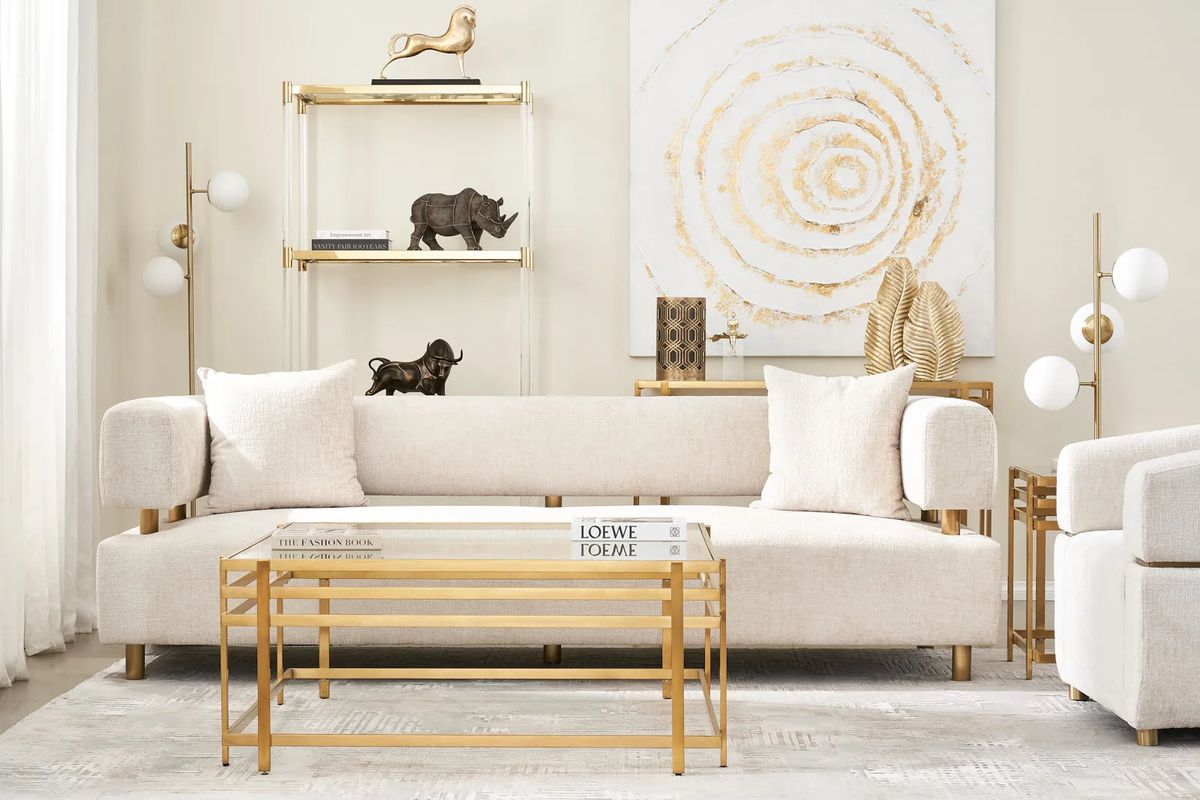
Decorative accents are the small details that make a home feel complete, stylish, and inviting. While furniture creates the structure of a room, decorative accents add personality, warmth, and visual interest. These finishing touches can transform an ordinary space into an elegant and comfortable environment without requiring expensive renovations or major design changes. Whether you prefer a modern, traditional, minimalist, or contemporary interior, the right decorative accents help create a balanced and attractive home.
From decorative vases and wall art to mirrors, candles, indoor plants, cushions, and sculptures, decorative accents allow homeowners to personalize every room. They also improve the atmosphere by adding texture, color, and depth to living spaces. Choosing the right accessories creates harmony while highlighting your personal style. This guide explains what decorative accents are, why they are important, provides a step-by-step decorating guide, discusses the benefits and challenges, highlights common decorating mistakes, answers frequently asked questions, and shares expert tips for decorating your home.
What Are Decorative Accents?
Decorative accents are small decorative items used to enhance the beauty and style of a room. Unlike major furniture pieces, these accessories are designed to complement the overall interior while adding character, texture, and visual appeal.
Popular decorative accents include artwork, mirrors, decorative cushions, rugs, candles, vases, sculptures, photo frames, clocks, trays, table lamps, indoor plants, decorative bowls, books, and seasonal decorations. These items help create a finished and personalized look.
Why Are Decorative Accents Important?
Decorative accents are important because they bring personality and balance to interior spaces. Even a beautifully furnished room can feel incomplete without carefully selected accessories. Decorative accents create focal points, improve color coordination, and make living spaces feel warmer and more welcoming.
These accessories also provide flexibility, allowing homeowners to update the appearance of a room without replacing expensive furniture. Changing decorative accents seasonally or introducing new colors and textures is an affordable way to refresh your home’s interior.
Step-by-Step Guide to Using Decorative Accents
Step 1: Choose a Decorating Style
Decide on an overall interior style such as modern, minimalist, Scandinavian, farmhouse, industrial, traditional, or contemporary before selecting decorative accents.
Step 2: Select a Coordinated Color Palette
Choose accent pieces that complement your furniture, flooring, curtains, and wall colors to create a cohesive and harmonious appearance.
Step 3: Decorate Walls Thoughtfully
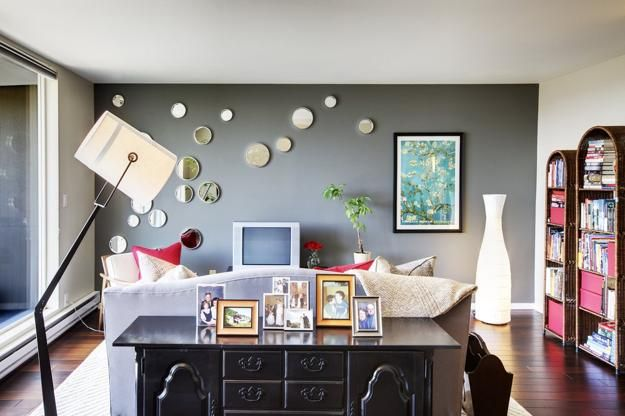
Use framed artwork, decorative mirrors, floating shelves, or wall sculptures to create attractive focal points without overcrowding the walls.
Step 4: Add Texture
Introduce different materials such as fabric, wood, metal, ceramic, glass, and woven elements through decorative accessories to create depth and visual interest.
Step 5: Style Tables and Shelves
Arrange decorative trays, candles, books, vases, and sculptures in balanced groupings rather than placing items randomly throughout the room.
Step 6: Include Natural Elements
Decorate with indoor plants, fresh flowers, or natural materials to create a relaxing atmosphere and bring life into your home.
Step 7: Refresh Decor Seasonally
Update cushions, throws, candles, flowers, and small decorative items throughout the year to keep your home looking fresh and inviting.
Benefits of Decorative Accents
- Enhances interior beauty.
- Adds personality to every room.
- Creates visual balance.
- Improves comfort and warmth.
- Refreshes spaces affordably.
- Highlights your decorating style.
- Creates attractive focal points.
- Increases overall home appeal.
- Allows easy seasonal updates.
- Completes the interior design.
Disadvantages and Challenges
- Too many accents create clutter.
- High-quality accessories may be expensive.
- Trends change frequently.
- Some decorations require regular cleaning.
- Matching different styles can be difficult.
- Small rooms require careful placement.
- Frequent redecorating increases costs.
- Poor arrangement affects visual harmony.
Common Mistakes to Avoid
One of the most common mistakes is decorating every available surface with accessories. Excessive decorative accents can make a room feel crowded and disorganized. Instead, focus on a few carefully selected pieces that complement the room while leaving enough open space for a clean and elegant appearance.
Another mistake is ignoring proportion and scale. Decorative accents should match the size of the furniture and room. Oversized accessories may overwhelm smaller spaces, while tiny decorations can disappear in larger rooms. Balanced placement creates a more professional and visually pleasing design.
Frequently Asked Questions
1. What are decorative accents?
Decorative accents are small decorative accessories such as vases, artwork, mirrors, candles, cushions, rugs, plants, sculptures, and photo frames that enhance a home’s appearance.
2. Why are decorative accents important?
They add personality, improve visual appeal, create balance, enhance comfort, and help complete the overall interior design of a room.
3. Which decorative accents are most popular?
Popular decorative accents include wall art, mirrors, candles, indoor plants, decorative trays, cushions, rugs, vases, sculptures, and table lamps.
4. How do I choose decorative accents?
Select accessories that match your decorating style, color palette, furniture, and room size while maintaining a balanced and uncluttered appearance.
5. Can decorative accents make a small room look better?
Yes. Mirrors, light-colored accessories, carefully placed artwork, and minimal decorative items can make small rooms feel brighter, larger, and more welcoming.
6. How often should I change decorative accents?
Many homeowners update decorative accents seasonally or whenever they want to refresh their home’s appearance. Small changes can create a completely new look without major expenses.
Expert Tips and Bonus Points
Choose decorative accents that have both visual appeal and personal meaning rather than following every design trend. Layer different textures through fabrics, ceramics, glass, wood, and natural materials to create a sophisticated interior. Use decorative lighting to highlight artwork, shelves, and architectural features for additional warmth.
Remember that less is often more. Carefully selected decorative accents create a stronger impression than overcrowded displays. Rotate accessories occasionally, maintain consistent color coordination, and focus on creating a balanced environment that reflects your personal style while remaining comfortable and functional.
Conclusion
Decorative accents are the finishing touches that transform ordinary rooms into beautiful and welcoming living spaces. By choosing stylish accessories, coordinating colors, adding texture, improving lighting, and maintaining balance, you can create interiors that reflect your personality while enhancing comfort and functionality. Even small decorative changes can significantly improve the appearance of your home.
Whether you are decorating a new house or updating an existing space, invest in quality decorative accents that complement your overall design. Thoughtful planning, careful arrangement, and attention to detail will help you create a timeless interior that remains elegant, organized, and enjoyable for years to come.

1 Comment
Pingback: How to Set a Dining Table: Everyday to Dinner Party