



Introduction
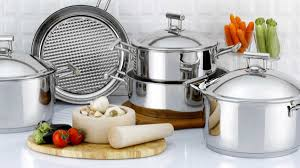
Every delicious meal starts with the right cookware. Whether you’re frying vegetables, simmering soups, baking casseroles, or preparing gourmet dishes, high-quality cookware makes cooking easier, safer, and more enjoyable. The right pots and pans distribute heat evenly, improve cooking performance, and help you achieve better results with less effort. Investing in reliable cookware is one of the smartest decisions for anyone who enjoys spending time in the kitchen.
Today’s cookware is available in a wide variety of materials, including stainless steel, cast iron, aluminum, copper, ceramic, and non-stick coatings. Each type offers unique advantages depending on your cooking style and preferences. Understanding these differences helps you choose cookware that fits your needs while providing long-lasting value. This guide explains everything you need to know about cookware, including its importance, different types, selection tips, benefits, common mistakes, expert recommendations, and answers to frequently asked questions.
What Is Cookware?
Cookware refers to the pots, pans, and cooking vessels used for preparing food on stovetops, in ovens, or over other heat sources. These tools are designed to withstand high temperatures while ensuring food cooks evenly and efficiently.
Common cookware includes frying pans, sauté pans, saucepans, stockpots, Dutch ovens, grill pans, roasting pans, woks, casserole dishes, and baking trays made from various materials suited for different cooking methods.
Why Is Cookware Important?
Quality cookware directly affects cooking performance, food texture, and flavor. Well-designed cookware distributes heat evenly, reducing the chances of burning or undercooking meals. It also improves energy efficiency by retaining heat more effectively.
Durable cookware lasts for many years, making it a worthwhile investment for both beginner and experienced cooks. Choosing the right cookware also increases safety, simplifies food preparation, and makes cleaning much easier.
Step-by-Step Guide to Choosing Cookware
Step 1: Understand Your Cooking Style
Consider whether you frequently fry, boil, bake, grill, or slow-cook meals before selecting cookware.
Step 2: Choose the Right Material
Select stainless steel for durability, cast iron for heat retention, ceramic for non-toxic cooking, or non-stick cookware for easy food release.
Step 3: Buy Essential Pieces
Start with a frying pan, saucepan, stockpot, sauté pan, and baking dish before expanding your cookware collection.
Step 4: Check Heat Compatibility
Ensure your cookware works with your stove type, including gas, electric, ceramic, or induction cooktops.
Step 5: Look for Comfortable Handles
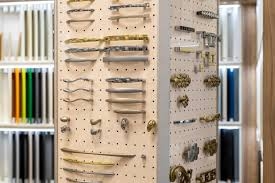
Choose cookware with secure, heat-resistant handles that provide a comfortable and safe grip during cooking.
Step 6: Consider Oven Safety
If you enjoy baking or roasting, select cookware that is oven-safe and suitable for high temperatures.
Step 7: Prioritize Easy Maintenance
Choose cookware that is easy to clean, resistant to scratches, and designed for long-term everyday use.
Benefits of Cookware
- Improves cooking performance.
- Provides even heat distribution.
- Enhances food quality.
- Saves cooking time.
- Supports various cooking techniques.
- Increases kitchen efficiency.
- Offers long-lasting durability.
- Improves cooking safety.
- Makes meal preparation easier.
- Adds value to your kitchen.
Disadvantages and Challenges
- Premium cookware can be expensive.
- Cast iron requires seasoning.
- Some materials are heavy.
- Non-stick coatings wear over time.
- Copper cookware needs regular polishing.
- Large cookware sets require storage space.
- Cheap cookware may warp with heat.
- Certain materials require special cleaning.
Common Mistakes to Avoid
Many people purchase large cookware sets without considering what they actually use. It’s better to invest in a few high-quality pots and pans that match your cooking habits than to buy numerous pieces that remain unused.
Another common mistake is using metal utensils on non-stick cookware. This can scratch the cooking surface and shorten its lifespan. Silicone, wood, or nylon utensils help preserve non-stick coatings for years.
Frequently Asked Questions
1. What is cookware?
Cookware includes pots, pans, baking dishes, and cooking vessels used to prepare food on stovetops, ovens, and other cooking appliances.
2. Which cookware material is best?
There is no single best material. Stainless steel is durable, cast iron retains heat well, ceramic offers non-toxic cooking, and non-stick cookware is ideal for delicate foods.
3. Is non-stick cookware safe?
Modern non-stick cookware is generally safe when used according to the manufacturer’s instructions and not overheated.
4. What cookware should every kitchen have?
Every kitchen should include a frying pan, saucepan, stockpot, sauté pan, baking dish, and a quality chef’s knife.
5. Can all cookware be used in the oven?
No. Always check the manufacturer’s guidelines because some cookware and handles are not designed for oven use.
6. How long does quality cookware last?
With proper care, high-quality cookware can last for many years, and some materials such as cast iron can even last for generations.
Expert Tips & Bonus Points
Instead of purchasing an oversized cookware set, build your collection gradually with versatile pieces you’ll use every week. Stainless steel and cast iron offer excellent durability, while ceramic cookware provides a healthier alternative for many recipes. Proper maintenance, including hand washing when recommended and avoiding sudden temperature changes, helps extend the life of your cookware.
Store pots and pans carefully to prevent scratches, and always use the appropriate utensils for each material. Investing in quality cookware may cost more initially, but it delivers better cooking performance and long-term savings.
Conclusion
Cookware is one of the most important investments in any kitchen because it directly influences the quality, efficiency, and enjoyment of cooking. Choosing the right materials, essential pots and pans, and durable designs allows you to prepare a wide variety of meals with confidence. Well-made cookware not only improves cooking results but also lasts for years with proper care.
Whether you’re building your first kitchen or upgrading your existing collection, focus on quality, versatility, and compatibility with your cooking style. With the right cookware, every meal becomes easier to prepare, more enjoyable to cook, and better to serve.
