



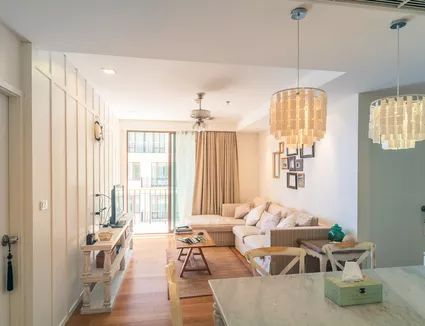
Introduction
Home accessories are the finishing touches that bring personality, comfort, and elegance to every room. While furniture provides the foundation of a home’s design, accessories complete the overall look by adding color, texture, warmth, and visual interest. Whether you are decorating a new house or refreshing your current space, carefully chosen home accessories can transform ordinary rooms into inviting and stylish living areas without requiring major renovations.
From decorative cushions and wall art to indoor plants, mirrors, rugs, lighting, and stylish storage solutions, home accessories allow you to express your personal taste while improving functionality. They make spaces feel more welcoming, organized, and comfortable for everyday living. This guide explains what home accessories are, why they are important, provides a step-by-step guide to choosing the right accessories, discusses the benefits and challenges, highlights common decorating mistakes, answers frequently asked questions, and shares expert tips for creating a beautiful home.
What Are Home Accessories?
Home accessories are decorative and functional items that enhance the appearance, comfort, and practicality of a living space. Unlike large furniture pieces, accessories are smaller design elements that add character and complete the overall interior style.
Popular home accessories include decorative cushions, rugs, curtains, wall art, mirrors, table lamps, candles, vases, clocks, indoor plants, photo frames, baskets, shelves, decorative trays, sculptures, and storage organizers. These items help personalize your home while creating a balanced and attractive interior.
Why Are Home Accessories Important?
Home accessories are important because they improve both the beauty and functionality of your home. They allow homeowners to refresh interiors without replacing expensive furniture or making major structural changes. Simple additions like decorative lighting, artwork, or plants can dramatically change the atmosphere of a room.
Well-selected accessories also improve organization and comfort while reflecting your personality and lifestyle. They help create cozy living spaces, highlight architectural features, and make your home feel complete through thoughtful design details.
Step-by-Step Guide to Choosing Home Accessories
Step 1: Define Your Interior Style
Choose a decorating style such as modern, minimalist, Scandinavian, farmhouse, industrial, traditional, or contemporary before selecting accessories.
Step 2: Select a Coordinated Color Palette

Choose accessories that complement your existing furniture, wall colors, and flooring to create a cohesive and visually balanced design.
Step 3: Decorate with Wall Accessories
Add mirrors, framed artwork, decorative shelves, clocks, or photo galleries to create attractive focal points throughout your home.
Step 4: Add Soft Furnishings
Use cushions, throws, curtains, and rugs to introduce warmth, texture, and comfort while enhancing your overall interior design.
Step 5: Improve Lighting
Decorate with stylish table lamps, floor lamps, pendant lights, or candles to create a warm and welcoming atmosphere.
Step 6: Include Natural Elements
Place indoor plants, flowers, or natural decorative materials throughout your home to add freshness and create a relaxing environment.
Step 7: Organize with Decorative Storage
Use baskets, storage boxes, decorative trays, and shelves to keep your home organized while maintaining an attractive appearance.
Benefits of Home Accessories
- Enhances interior beauty.
- Reflects personal style.
- Creates a welcoming atmosphere.
- Improves home organization.
- Adds warmth and comfort.
- Refreshes rooms affordably.
- Increases visual appeal.
- Makes spaces feel complete.
- Enhances functionality.
- Supports flexible seasonal decorating.
Disadvantages and Challenges
- High-quality accessories can be expensive.
- Too many decorations create clutter.
- Trends change frequently.
- Some accessories require regular cleaning.
- Matching colors may be challenging.
- Limited space reduces decorating options.
- Frequent updates increase costs.
- Poor placement affects room balance.
Common Mistakes to Avoid
One of the most common decorating mistakes is buying accessories without considering the overall design of the room. Random colors, styles, or materials can create a cluttered appearance instead of a coordinated interior. Always choose accessories that complement your furniture and color scheme.
Another mistake is overcrowding shelves, tables, and walls with decorative items. While accessories add personality, using too many can make a room feel smaller and less organized. Focus on carefully selected pieces that create balance while leaving enough open space for a clean and elegant look.
Frequently Asked Questions
1. What are home accessories?
Home accessories are decorative and functional items such as cushions, rugs, mirrors, lamps, artwork, plants, candles, vases, and storage baskets that enhance the appearance of a home.
2. Why are home accessories important?
They improve comfort, increase visual appeal, reflect personal style, enhance organization, and help create a warm and inviting living environment.
3. Which home accessories are most popular?
Popular home accessories include decorative cushions, rugs, mirrors, indoor plants, wall art, curtains, table lamps, candles, photo frames, and decorative storage baskets.
4. How do I choose the right home accessories?
Choose accessories that match your decorating style, room size, furniture, and color palette while maintaining balance and avoiding unnecessary clutter.
5. Can home accessories improve small spaces?
Yes. Mirrors, light-colored accessories, multifunctional storage, proper lighting, and minimal decorations can make small rooms appear larger and more organized.
6. How often should I replace home accessories?
Most home accessories can be updated seasonally or whenever you want a fresh look. Small decorative changes often provide a noticeable improvement without requiring major expenses.
Expert Tips and Bonus Points
Invest in timeless home accessories that remain stylish regardless of changing trends. Mix different textures such as wood, glass, metal, fabric, and natural materials to create visual depth and interest. Layer your lighting by combining ceiling lights, table lamps, and decorative candles for a warm and comfortable atmosphere.
Avoid decorating every surface. Leave enough open space so each accessory can stand out without overwhelming the room. Rotate decorative items throughout the year to keep your home feeling fresh while maintaining a consistent overall design that reflects your personal style.
Conclusion
Home accessories are an essential part of creating a stylish, comfortable, and functional living environment. By selecting the right combination of decorative accents, lighting, textiles, artwork, and storage solutions, you can transform any room into a welcoming space that reflects your personality. These small design elements have a significant impact on the overall appearance and atmosphere of your home.
Whether you prefer a modern, minimalist, traditional, or contemporary style, thoughtful use of home accessories can refresh your interior without major renovations. Plan your decorating carefully, focus on quality rather than quantity, and choose accessories that complement your home’s overall design. With the right approach, you can create beautiful living spaces that remain elegant, practical, and enjoyable for years to come.
