



Introduction
A well-equipped kitchen makes cooking faster, easier, and far more enjoyable. Whether you’re moving into a new home, upgrading your current kitchen, or setting up your first apartment, having the right kitchen essentials is the key to preparing meals efficiently. Instead of filling cabinets with unnecessary gadgets, investing in practical tools and everyday cookware helps save both time and money while keeping your kitchen organized.
Kitchen essentials include everything from basic cookware and utensils to food storage containers, cutting tools, cleaning supplies, and small appliances. Choosing durable, high-quality items ensures they last for years and improve your overall cooking experience. This guide covers the must-have kitchen essentials, explains why they matter, provides a step-by-step buying guide, highlights their benefits, discusses common purchasing mistakes, answers frequently asked questions, and shares expert recommendations to help you create a functional kitchen.
What Are Kitchen Essentials?
Kitchen essentials are the basic tools, cookware, utensils, appliances, and storage products needed for everyday food preparation, cooking, serving, and cleaning. These items help create an efficient workspace while making daily kitchen tasks simpler and more convenient.
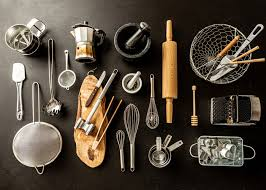
Common kitchen essentials include frying pans, saucepans, chef’s knives, cutting boards, mixing bowls, measuring cups, spatulas, wooden spoons, food containers, dish racks, blenders, kettles, and cleaning supplies.
Why Are Kitchen Essentials Important?
Having the right kitchen essentials improves cooking efficiency and helps reduce unnecessary stress during meal preparation. Essential tools allow you to prepare ingredients safely, cook food evenly, and keep your workspace organized.
Quality kitchen products also increase durability, reduce replacement costs, and improve food safety. Instead of relying on multiple single-purpose gadgets, a carefully selected collection of versatile essentials creates a more practical and clutter-free kitchen.
Step-by-Step Guide to Choosing Kitchen Essentials
Step 1: Start with Basic Cookware
Purchase quality frying pans, saucepans, stockpots, and baking trays suitable for your cooking style and household size.
Step 2: Invest in Sharp Kitchen Knives
A chef’s knife, utility knife, and paring knife handle most food preparation tasks while improving safety and precision.
Step 3: Buy Essential Cooking Utensils
Include spatulas, tongs, ladles, whisks, wooden spoons, peelers, can openers, and measuring tools for everyday cooking.
Step 4: Organize Food Storage
Use airtight containers to store dry ingredients, leftovers, and meal-prepped foods while keeping your pantry neat.
Step 5: Choose Helpful Small Appliances
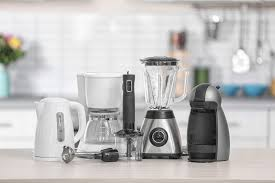
Select practical appliances such as a blender, toaster, electric kettle, coffee maker, or food processor based on your needs.
Step 6: Add Cleaning Supplies
Keep dish soap, microfiber cloths, scrub brushes, drying racks, trash bins, and reusable towels readily available.
Step 7: Maximize Kitchen Organization
Install drawer organizers, spice racks, shelf organizers, and cabinet storage solutions to make everything easy to access.
Benefits of Kitchen Essentials
- Makes cooking more efficient.
- Saves preparation time.
- Improves kitchen organization.
- Reduces food waste.
- Enhances cooking safety.
- Supports healthier meals.
- Increases convenience.
- Provides long-term value.
- Simplifies daily cleaning.
- Creates a functional cooking space.
Disadvantages and Challenges
- High-quality products require a larger investment.
- Small kitchens have limited storage.
- Cheap tools wear out quickly.
- Specialized gadgets may go unused.
- Some cookware requires regular maintenance.
- Appliances consume storage space.
- Organizing takes time.
- Premium brands can be costly.
Common Mistakes to Avoid
Many people buy too many specialty gadgets before purchasing the basic tools they actually need. A few high-quality essentials are far more valuable than dozens of single-purpose accessories that rarely get used.
Another common mistake is choosing the cheapest cookware available. Low-quality pots, pans, and knives often wear out quickly, perform poorly, and require frequent replacement. Investing in durable kitchen essentials saves money over time.
Frequently Asked Questions
1. What are kitchen essentials?
Kitchen essentials are the basic cookware, utensils, storage containers, appliances, and cleaning tools required for everyday cooking and food preparation.
2. Which cookware should every kitchen have?
Every kitchen should include a frying pan, saucepan, stockpot, baking tray, and non-stick skillet for everyday cooking tasks.
3. What knives are considered essential?
A chef’s knife, paring knife, and serrated bread knife cover most cutting, slicing, and chopping needs.
4. How can I organize my kitchen efficiently?
Use drawer dividers, labeled containers, spice racks, shelf organizers, and vertical storage solutions to maximize available space.
5. Which small appliances are worth buying?
A blender, toaster, electric kettle, microwave, and food processor are among the most useful appliances for everyday cooking.
6. How often should kitchen tools be replaced?
Quality kitchen essentials can last for many years with proper care, although damaged knives, worn utensils, and broken cookware should be replaced when necessary.
Expert Tips & Bonus Points
Focus on purchasing versatile kitchen tools that perform multiple tasks instead of filling cabinets with unnecessary gadgets. Stainless steel cookware, silicone utensils, and glass food containers offer excellent durability and long-term value. Keep frequently used tools within easy reach to improve workflow while cooking.
Maintain your kitchen essentials by sharpening knives regularly, seasoning cookware when required, and organizing cabinets every few months. A clean, well-organized kitchen not only looks better but also makes preparing meals faster and more enjoyable.
Conclusion
Building a functional kitchen starts with choosing the right essentials rather than buying everything available. High-quality cookware, reliable utensils, practical storage solutions, and useful appliances provide the foundation for efficient meal preparation while keeping your kitchen organized and clutter-free. Even a modest collection of carefully selected tools can greatly improve your cooking experience.
Whether you’re setting up your first kitchen or upgrading an existing one, prioritize durability, versatility, and organization. Investing in essential kitchen products ensures your cooking space remains practical, efficient, and enjoyable for years to come.
