



Introduction
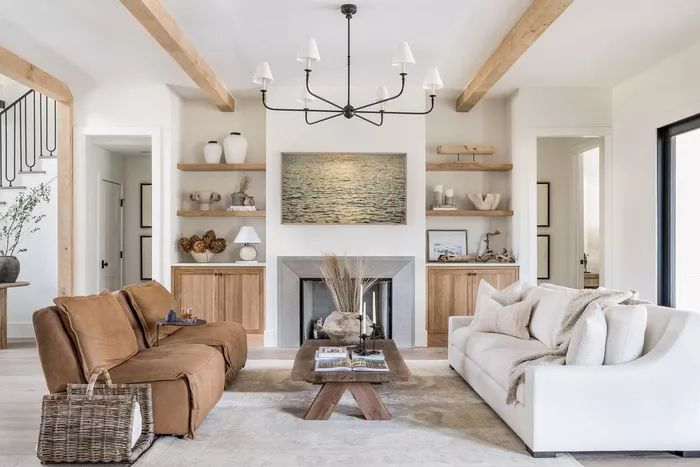
Living room lighting is one of the most important elements of interior design because it influences both the appearance and functionality of your space. The right lighting creates a warm and inviting atmosphere, improves visibility, highlights decorative features, and enhances the overall comfort of your living room. Whether you prefer a modern, contemporary, minimalist, or traditional design, carefully planned lighting can completely transform the mood of your home.
A well-lit living room uses multiple light sources instead of relying on a single ceiling fixture. Combining ambient, task, and accent lighting creates a balanced environment that adapts to different activities, from relaxing with family to entertaining guests or reading a book. Modern lighting solutions also improve energy efficiency while adding elegance to your home’s interior. This guide explains what living room lighting is, why it is important, provides a step-by-step lighting guide, discusses the benefits and challenges, highlights common lighting mistakes, answers frequently asked questions, and shares expert tips for achieving the perfect lighting design.
What Is Living Room Lighting?
Living room lighting refers to the combination of lighting fixtures and illumination techniques used to brighten and enhance a living room. It includes ceiling lights, chandeliers, pendant lights, recessed lighting, floor lamps, table lamps, wall sconces, LED strips, and natural light sources.
The goal of living room lighting is to create a comfortable, functional, and visually appealing environment that supports everyday activities while highlighting furniture, artwork, and architectural features.
Why Is Living Room Lighting Important?
Living room lighting is important because it improves visibility, enhances comfort, and creates the desired atmosphere within your home. Proper lighting makes the room feel larger, brighter, and more welcoming while helping reduce eye strain during reading, working, or watching television.
Good lighting also highlights decorative elements, improves interior design, and increases the overall value of your home. By using multiple layers of light, homeowners can create flexible spaces suitable for relaxation, entertainment, and social gatherings.
Step-by-Step Guide to Choosing Living Room Lighting
Step 1: Maximize Natural Light
Use large windows, light-colored curtains, and mirrors to increase natural daylight and make the living room feel brighter and more spacious.
Step 2: Install Ambient Lighting
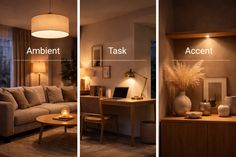
Choose ceiling lights, chandeliers, or recessed lighting to provide consistent illumination throughout the room.
Step 3: Add Task Lighting
Place floor lamps or table lamps near reading chairs, sofas, or work areas where additional focused lighting is needed.
Step 4: Use Accent Lighting
Highlight artwork, shelves, decorative objects, or architectural details with wall sconces, picture lights, or LED strip lighting.
Step 5: Choose Energy-Efficient Bulbs
Install LED bulbs that provide bright illumination while consuming less electricity and lasting significantly longer than traditional bulbs.
Step 6: Layer Multiple Light Sources
Combine ambient, task, and accent lighting to create flexibility for different moods and daily activities.
Step 7: Use Dimmers When Possible
Install dimmer switches to adjust brightness levels and create the perfect atmosphere for relaxing, entertaining, or watching television.
Benefits of Living Room Lighting
- Improves visibility.
- Creates a welcoming atmosphere.
- Enhances interior design.
- Makes rooms appear larger.
- Highlights decorative features.
- Supports daily activities.
- Increases home value.
- Improves energy efficiency with LED lighting.
- Creates flexible lighting options.
- Enhances comfort and relaxation.
Disadvantages and Challenges
- Quality lighting fixtures may be expensive.
- Installation may require professional assistance.
- Poor placement creates uneven lighting.
- Energy costs increase with inefficient bulbs.
- Excessive brightness causes discomfort.
- Insufficient lighting reduces functionality.
- Maintenance is required over time.
- Frequent design updates may increase costs.
Common Mistakes to Avoid
One common mistake is relying only on a single ceiling light. This often creates uneven lighting and leaves certain areas too dark. Layering different types of lighting produces a more balanced, comfortable, and visually appealing environment.
Another mistake is selecting lighting fixtures that are either too large or too small for the room. Oversized fixtures can overwhelm the space, while undersized lights may not provide adequate illumination. Always choose lighting that matches the scale and layout of your living room.
Frequently Asked Questions
1. What is living room lighting?
Living room lighting includes ceiling lights, floor lamps, table lamps, wall sconces, chandeliers, LED fixtures, and natural lighting designed to brighten and enhance the living space.
2. What are the three main types of lighting?
The three primary types are ambient lighting for general illumination, task lighting for specific activities, and accent lighting for highlighting decorative features.
3. Which light bulbs are best for a living room?
LED bulbs are the preferred choice because they are energy-efficient, long-lasting, environmentally friendly, and available in different brightness levels and color temperatures.
4. How can I make my living room brighter?
Increase natural light, use mirrors, install multiple light sources, choose light-colored walls, and add floor or table lamps to improve overall brightness.
5. Are dimmer switches useful?
Yes. Dimmer switches allow you to adjust lighting levels for different occasions, helping create comfortable environments while improving energy efficiency.
6. How do I choose the right lighting fixtures?
Select fixtures based on your room size, ceiling height, decorating style, lighting needs, and furniture layout to ensure balanced illumination.
Expert Tips and Bonus Points
Layer your lighting by combining ceiling fixtures, table lamps, floor lamps, and accent lights to create depth and flexibility. Choose warm white LED bulbs for a comfortable and relaxing atmosphere, especially in living rooms designed for entertaining or family gatherings. Use mirrors strategically to reflect both natural and artificial light throughout the room.
Select lighting fixtures that complement your overall interior design while providing sufficient brightness for daily activities. Keep fixtures clean to maintain maximum illumination, and consider smart lighting systems that allow you to adjust brightness and color temperature for different moods and occasions.
Conclusion
Living room lighting plays a vital role in creating a comfortable, functional, and visually appealing home. By combining natural light, ambient lighting, task lighting, and accent lighting, you can transform your living room into a bright and welcoming space suitable for relaxation, entertainment, and everyday living. Thoughtful lighting design enhances both comfort and interior style while increasing the overall appeal of your home.
Whether you are designing a new living room or upgrading your current lighting, focus on balance, energy efficiency, and functionality. With careful planning and the right combination of lighting fixtures, you can create a beautiful living room that remains inviting, practical, and elegant for years to come.
